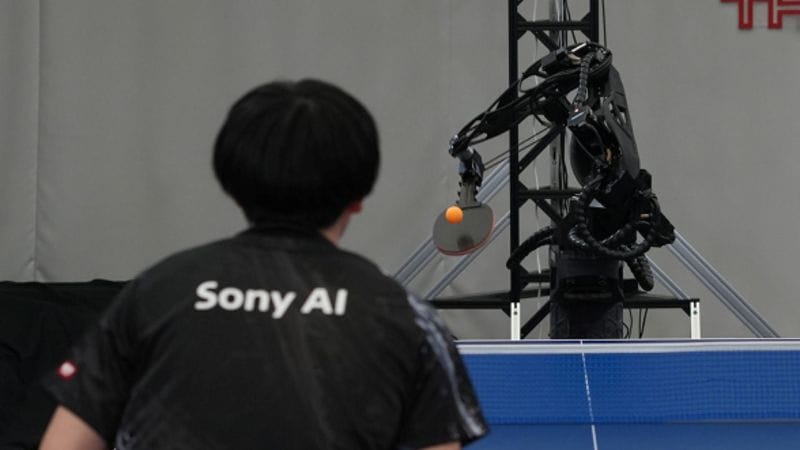
🤖 Industrial Humanoids Need Plumbing

Good Morning, Roboticists!
The future did arrive. It just showed up wearing a hard hat and asking where the charging dock is.
Industrial Humanoids Need Plumbing
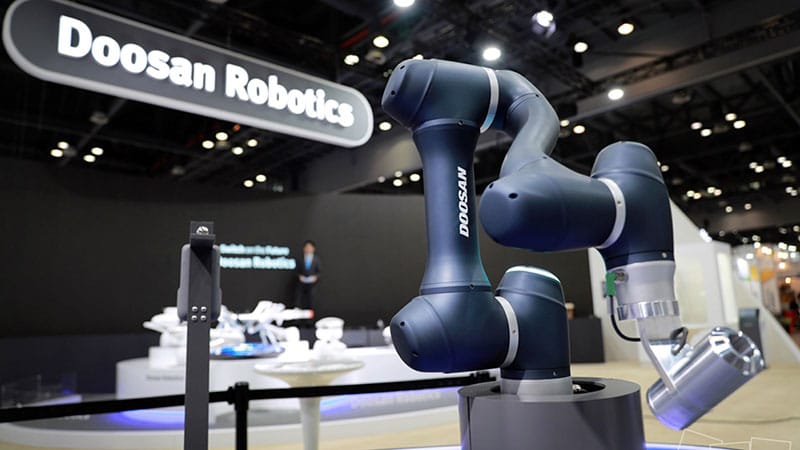
TL;DR: Doosan Robotics met Nvidia senior director Madison Huang at its Seongnam Innovation Center to discuss a physical AI partnership. The companies plan to connect Doosan’s Agentic Robot Operating System with Nvidia’s simulation and training stack, aiming to launch intelligent robot solutions in 2027 and industrial humanoid products in 2028. Read more →
MagicLab Sells the Stack

TL;DR: MagicLab Robotics used its Global Embodied Intelligence Summit in Silicon Valley to unveil Magic-Mix, the H01 dexterous hand, and its MagicBot X1 humanoid. The company said its robots already serve manufacturing, services, logistics, education, and home scenarios across more than 50 countries, while a $1 billion developer push is planned over five years. Read more →
Robot Joints Get Serious

TL;DR: Schaeffler has partnered with VinDynamics, Vingroup’s Vietnamese humanoid robotics company, to support future robot development through planetary gearboxes for actuators. The agreement marks Schaeffler’s first humanoid robotics partnership in Asia-Pacific and puts the supplier’s motion technology closer to the joints and limbs that determine how humanoids actually move. Read more →
Delivery Robots Hit Scale
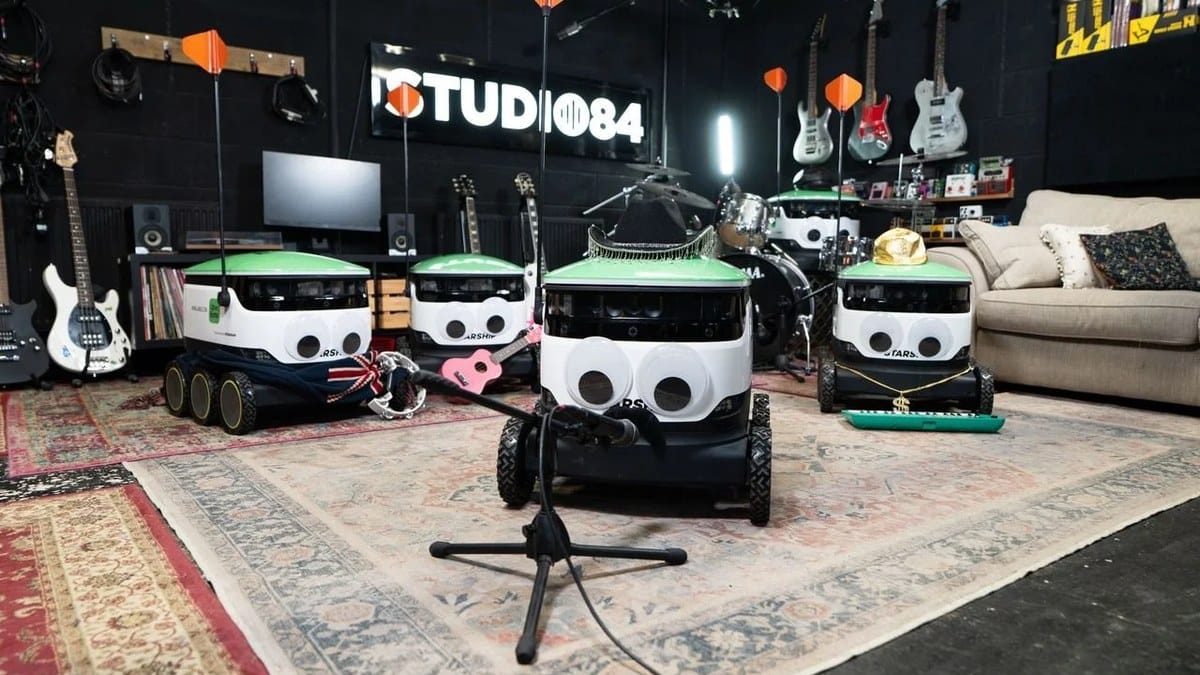
TL;DR: Starship Technologies says its sidewalk robots have passed 10 million autonomous deliveries across Europe and the United States. The company now operates more than 3,000 robots in over 300 locations across eight countries, with 22 million kilometers of real-world data and about 200 million road crossings logged under Level 4 autonomous operation. Read more →
AMRs Lose the Tracks
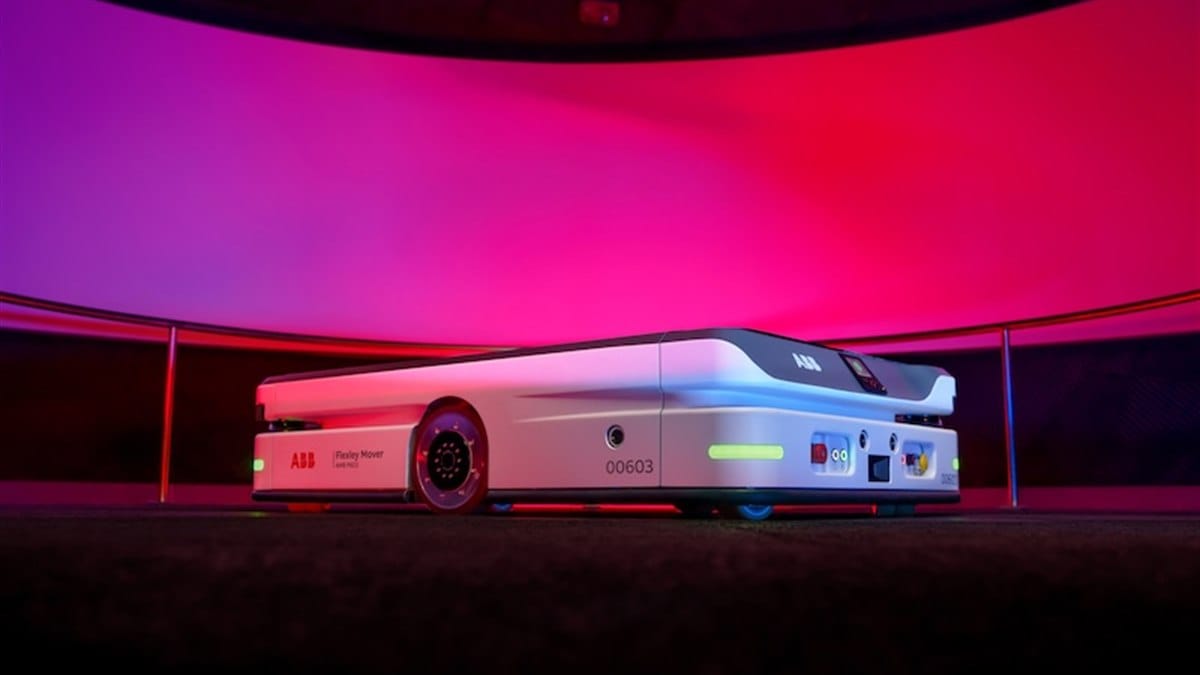
TL;DR: ABB Robotics’ Flexley Mover P603 autonomous mobile robot won a 2026 iF Design Award for intralogistics design. The AMR uses ABB’s AI-powered Visual SLAM navigation to move without fixed infrastructure, cutting commissioning time by up to 20 percent while giving warehouses a compact, load-sensing machine built for tighter spaces. Read more →
China Mobile Gets Physical
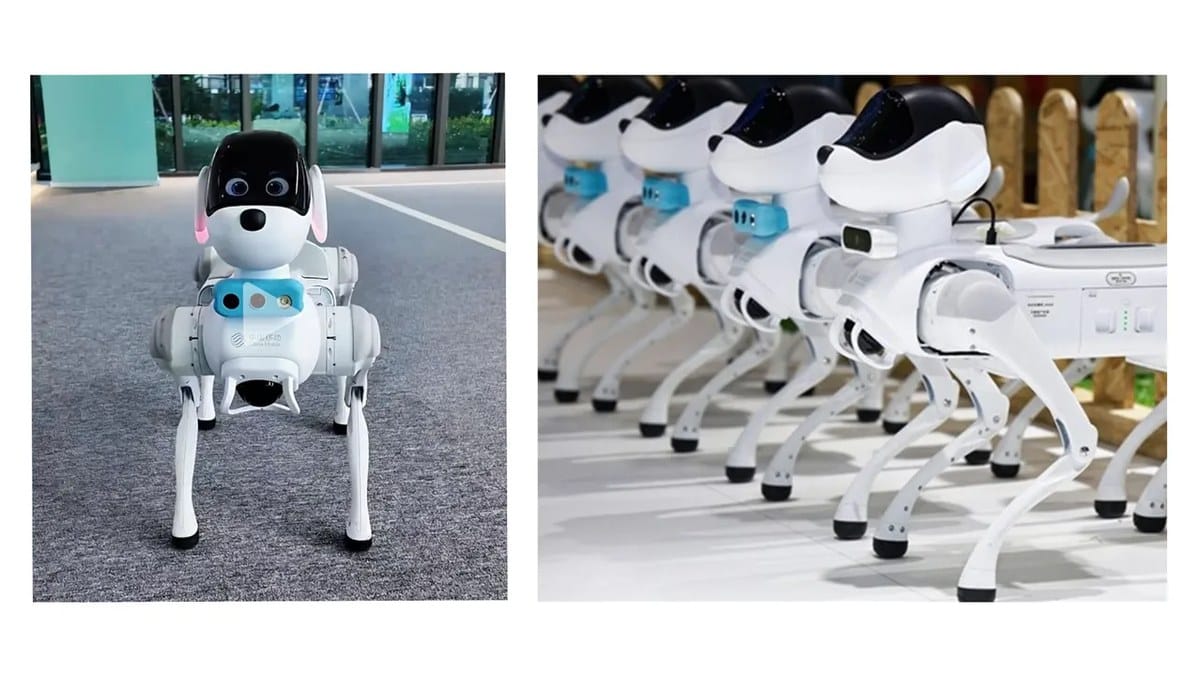
TL;DR: China Mobile has introduced Lingxi, its first robot dog, built to follow an owner and support field work beyond phones and networks. The quadruped combines UWB, RTK, LiDAR, and cameras for positioning and perception, showing how the operator is pushing connected devices into physical AI systems that move through real environments. Read more →
Robots Meet Real Uncertainty

TL;DR: MERL president and CEO Anthony Vetro says the next robotics challenge is handling uncertainty outside controlled labs. In an interview with Robotics & Automation News, he points to perception, force control, predictive sensing, and physical AI as the tools that could help industrial robots adapt when real objects, humans, and environments behave unpredictably. Read more →
Robot Brains Go Open
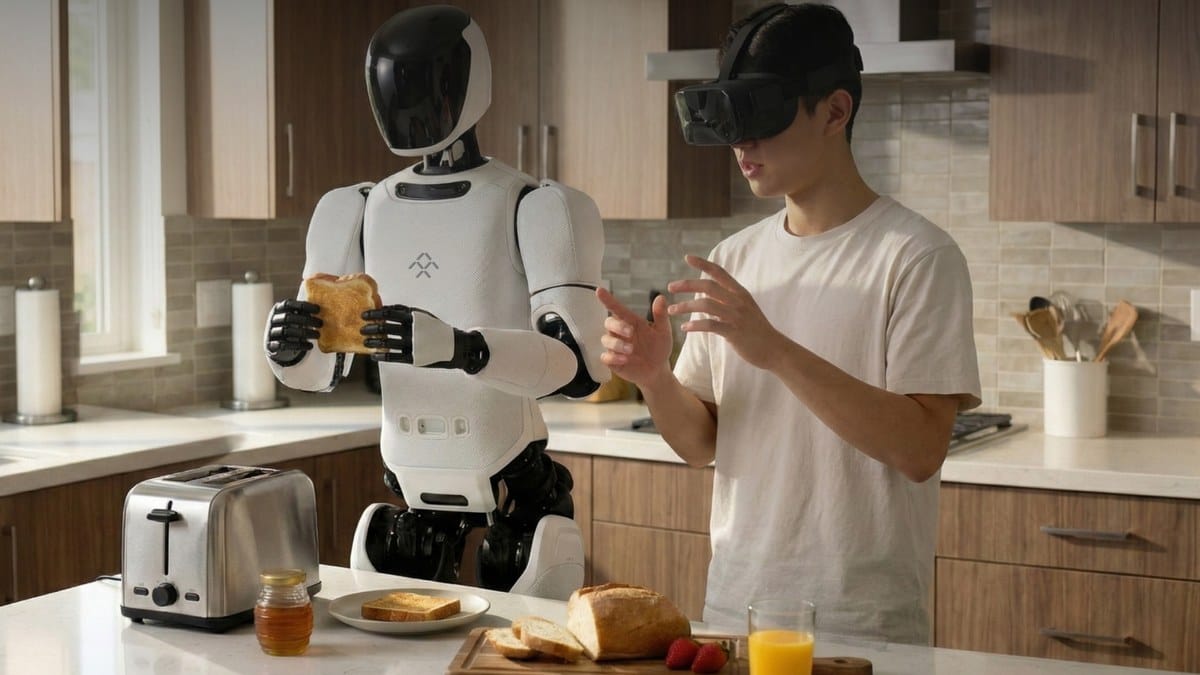
TL;DR: Faraday Future launched its FF EAI Brain and Open Developer Platform after hosting an embodied AI developer forum in San Francisco on April 25. The platform offers six developer tools, four infrastructure layers, and recruitment tracks from K-12 students to professional engineers as the company frames 2026 around robotics education. Read more →
Grid Robots Go National
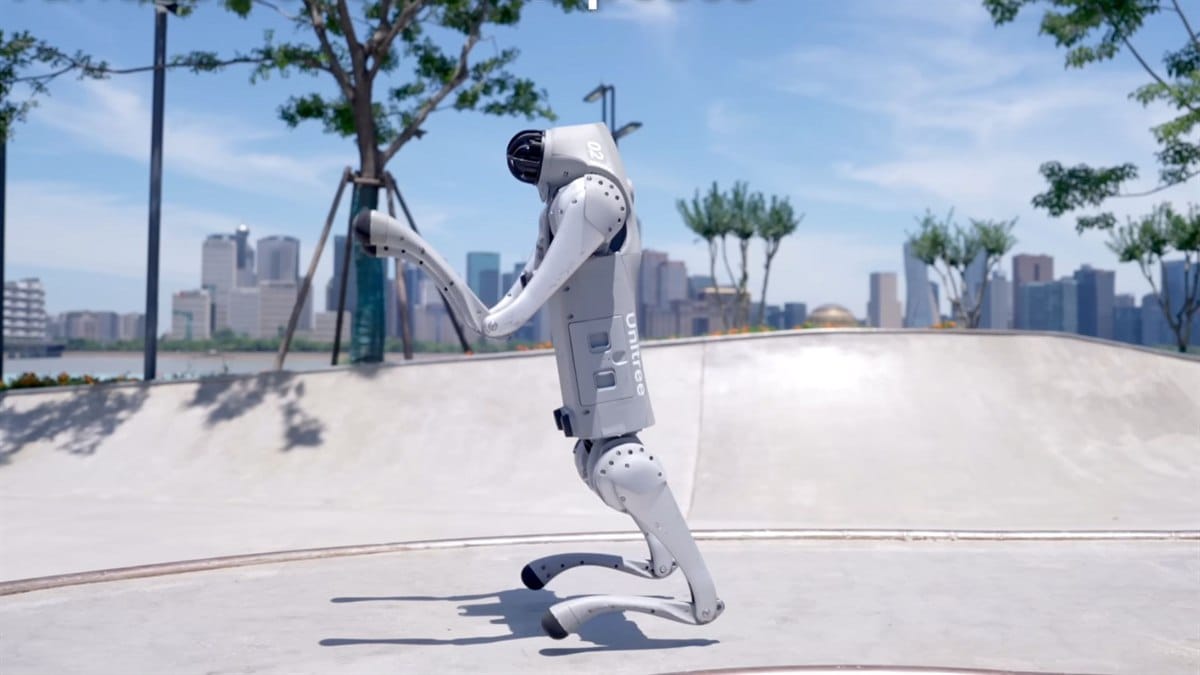
TL;DR: China is turning its power grid into an embodied AI testbed, with State Grid reportedly budgeting about $1 billion in 2026 for roughly 8,500 robots. The fleet includes 5,000 robot dogs, 3,000 dual-arm wheeled robots, and 500 humanoids for inspections, hazardous maintenance, and ultra-high-voltage work across remote substations and transmission networks. Read more →
Nuclear Robots Get Serious
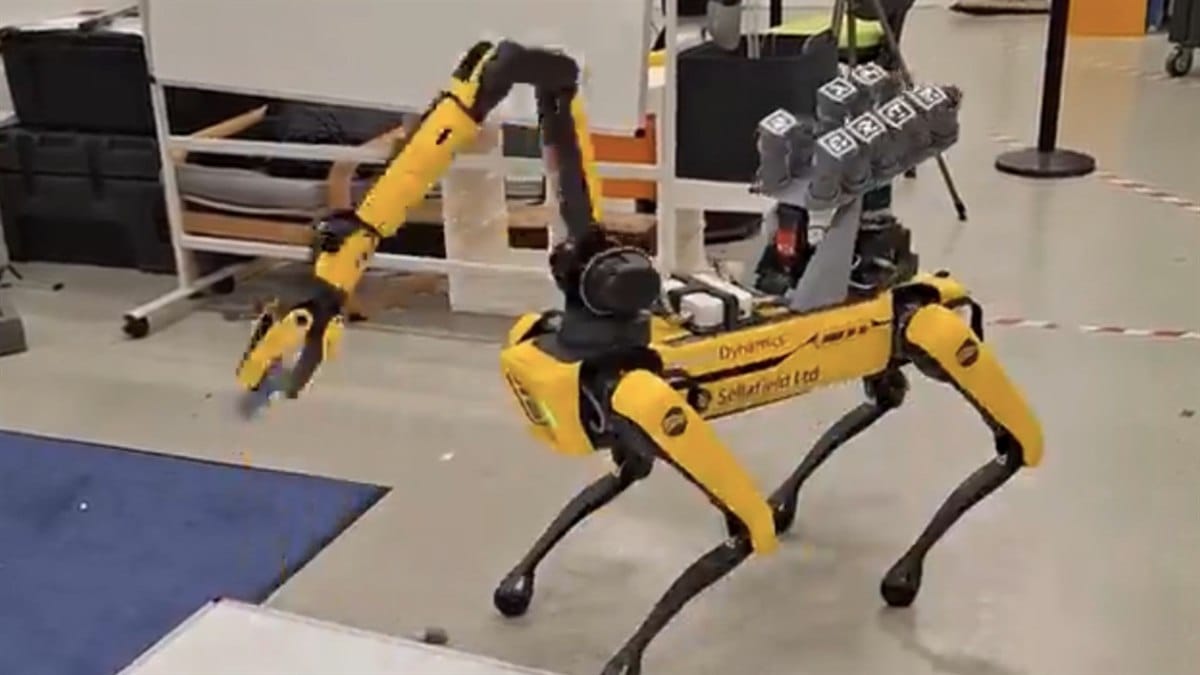
TL;DR: AtkinsRéalis and the Oxford Robotics Institute announced a global partnership to move autonomous robotics and Physical AI into nuclear and energy sites. The plan links Oxford’s research labs and digital-twin training with AtkinsRéalis’ industrial deployment, scaling mobile inspection platforms and robotic arms for hazardous environments where better data and lower human exposure matter most. Read more →
Microbots Learn Real Grip
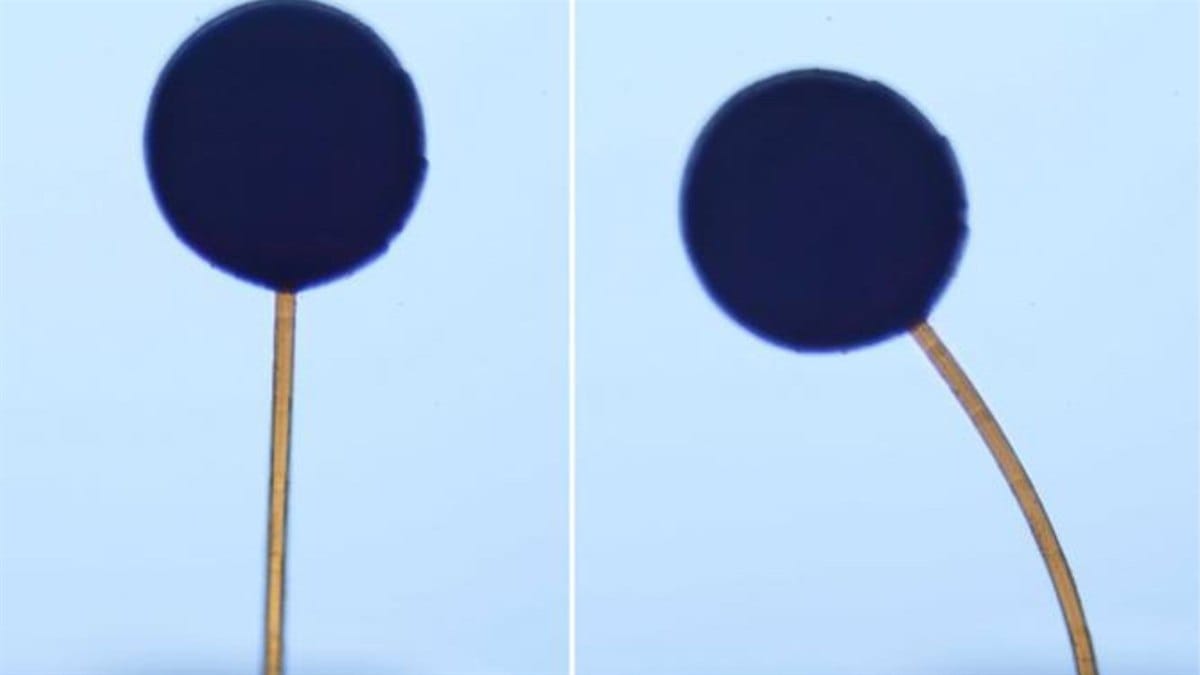
TL;DR: MIT, EPFL, and the University of Cincinnati have developed a 3D-printable soft magnetic hydrogel for microscopic robots. Using a double-dip process, the team built tiny lollipop-like structures whose parts deform differently under magnets, demonstrating remote gripper motion that could one day support biopsies, drug delivery, or microfluidic valves inside medical systems. Read more →
Robotera Chases Scale
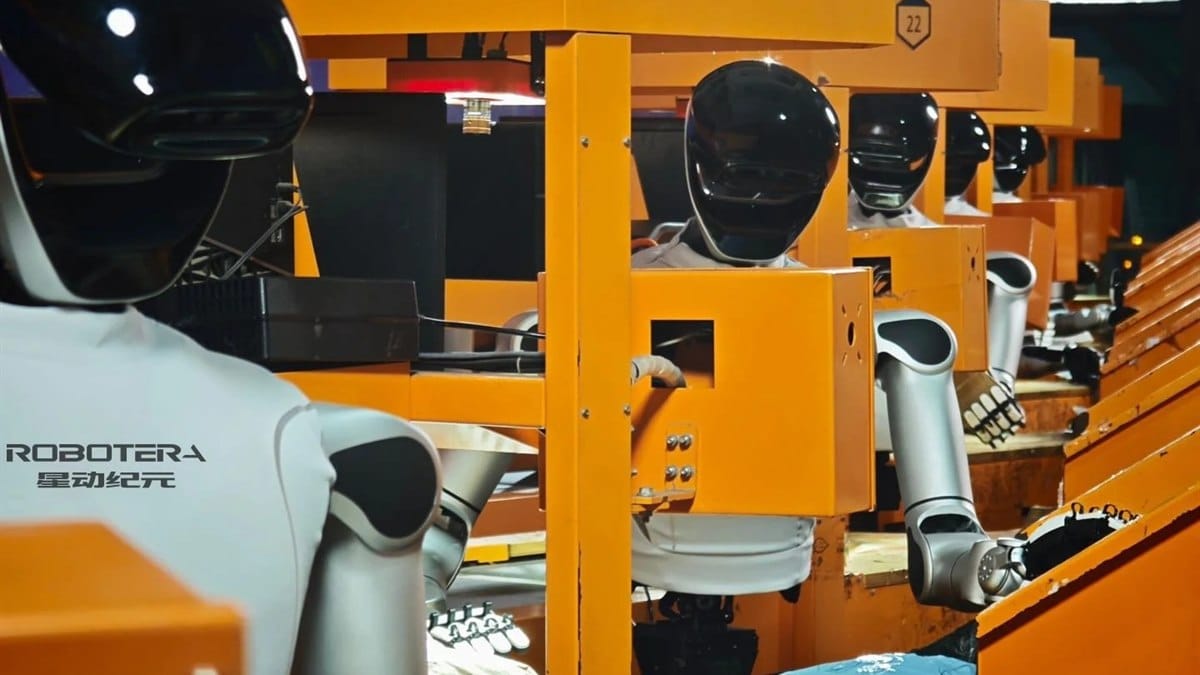
TL;DR: Beijing-based Robotera raised more than RMB 2 billion, about $280 million, in a strategic round led by SF Group as its logistics humanoid deployments expand. The company says its L7 robots are moving from pilots toward thousands of units across Chinese logistics centers, reaching up to 85% of human-level efficiency in 24/7 operations. Read more →
READ MORE
Let the Future Come to Your Inbox
Stay ahead without drowning in information. We turn the most important signals across AI, tech, marketing, and future products into 5-minute reads you can actually finish.
- AI Secret uncovers what really matters in AI
- Bay Area Letters decodes tech and business shifts from Silicon Valley
- Robotics Herald tracks how robots move from labs into daily life
- Marketing Secret breaks down real growth and go-to-market playbooks
- The Hardwire explores hardware, consumer tech, and what’s coming next
TOGETHER WITH US
AI Secret Media Group is the world’s #1 AI & Tech Newsletter Group, reaching over 2 million leaders across the global innovation ecosystem, from OpenAI, Anthropic, Google, and Microsoft to top AI labs, VCs, and fast-growing startups.
We've helped promote over 500 Tech Brands. Will yours be the next?
Email our co-founder Mark directly at mark@aisecret.us if the button fails.